Source High Impact Resistance PEEK Granules for Medical, Automotive, Aerospace
Compare 30 listings for high impact resistance PEEK granules from verified Chinese suppliers. Buyers can evaluate grades, MOQs, and delivery times for medical devices, automotive parts, and aerospace applications; compare the available evidence and request quotations based on your requirements.
Key considerations
Products List




Comprehensive Sourcing Guide
High Impact Resistance PEEK Granules Sourcing Guide
Procuring high-impact resistance PEEK granules requires a strategic approach that balances material performance with supply chain reliability. Buyers must recognize that PEEK is a high-performance thermoplastic known for its exceptional mechanical properties, chemical resistance, and thermal stability. The specific focus on impact resistance suggests applications where the material faces sudden mechanical loads or shock, such as in automotive components or aerospace structures. It is crucial to distinguish between standard PEEK grades and those specifically formulated or processed to enhance toughness without sacrificing other critical properties like dimensional stability or heat deflection temperature.
The sourcing process begins with defining the precise technical requirements for the end-use application. High-impact resistance is not a single metric but a combination of factors including notched Izod impact strength, Charpy impact strength, and elongation at break. Buyers should request detailed technical data sheets that specify these values under relevant test conditions. Additionally, the form of the material, typically granules or pellets, must be compatible with the intended processing method, such as injection molding or extrusion. Ensuring that the supplier can provide consistent batch-to-batch quality is essential for maintaining product integrity in high-stakes industries.
Product Scope and Observed Listing Signals
The observed market listings for PEEK granules reveal a diverse range of packaging and minimum order quantities that buyers must navigate carefully. Standard packaging often includes 25kg bags, which is a common industry norm for bulk polymer resins. However, some suppliers may offer smaller quantities or different packaging formats, such as trays or custom bags, to accommodate specific logistical needs. The minimum order quantity (MOQ) varies significantly, with some listings indicating a low threshold of 1kg for sample orders, while others require bulk purchases of 20 tons or more. This disparity highlights the importance of aligning procurement volumes with production schedules to avoid excess inventory or supply disruptions.
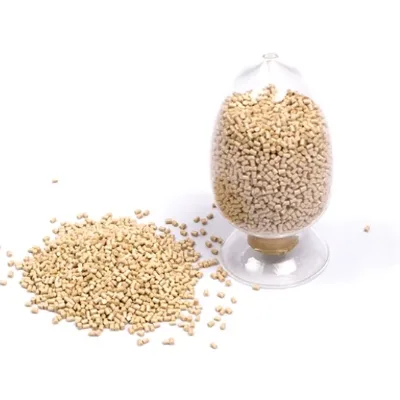
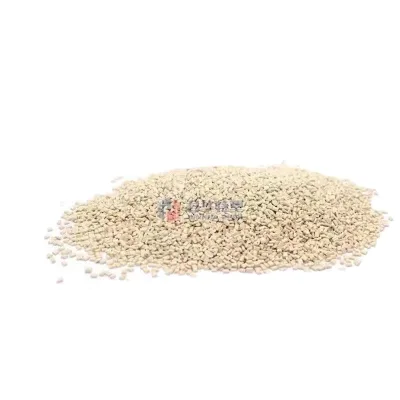
Color and appearance are also observable attributes that can influence the selection process. Listings indicate options for natural beige, black, and white PEEK granules, with some suppliers offering customized appearances. While color does not directly impact mechanical performance, it can be relevant for aesthetic requirements or traceability purposes in manufacturing. The molecular principal chain is consistently identified as a carbon chain polymer, confirming the fundamental chemical structure of PEEK. Buyers should verify that the specific grade offered matches the required impact resistance specifications, as different formulations may prioritize different property sets.
Technical Specifications to Verify
Verifying technical specifications is a critical step in ensuring that the PEEK granules meet the required performance standards. Buyers should request detailed data sheets that include mechanical properties such as tensile strength, flexural modulus, and impact strength. For high-impact resistance applications, the notched Izod impact strength is a key metric, as it measures the material's ability to absorb energy during sudden impact. Additionally, thermal properties like the heat deflection temperature and melting point should be confirmed to ensure compatibility with processing conditions. Chemical resistance data, particularly against solvents and acids, is also important for applications in harsh environments.
Processing parameters must also be verified to ensure that the PEEK granules can be effectively transformed into the desired product. Injection molding grade PEEK requires specific temperature and pressure settings to achieve optimal flow and part quality. Buyers should consult with the supplier to understand the recommended processing window, including melt temperature, mold temperature, and cooling rates. Furthermore, the material's moisture content should be checked, as PEEK is hygroscopic and requires drying before processing to prevent defects such as splay marks or reduced mechanical properties. Ensuring that the supplier provides consistent processing guidance is essential for achieving reliable production outcomes.
Compliance and Safety Documentation
Compliance and safety documentation are essential for ensuring that the PEEK granules meet regulatory requirements and industry standards. Buyers should request certificates of analysis (COA) that verify the chemical composition and purity of the material. These documents should include details on the presence of any additives or fillers, which can affect the material's performance and compliance with specific regulations. Additionally, material safety data sheets (MSDS) should be provided to outline safe handling, storage, and disposal practices. For applications in medical devices or food contact, specific certifications such as FDA compliance or ISO 13485 may be required, and buyers should verify that the supplier can provide these documents.
Quality management system certifications, such as ISO 9001, indicate that the supplier adheres to established quality standards and processes. While these certifications do not guarantee product performance, they provide assurance that the supplier has implemented robust quality control measures. Buyers should also inquire about the supplier's testing protocols and frequency of quality checks. For high-impact resistance applications, it is important to confirm that the supplier performs impact testing on each batch or lot to ensure consistency. Requesting sample test reports can help buyers validate the supplier's claims and ensure that the material meets the required specifications.
Cost Drivers and Commercial Terms
Understanding the cost drivers for high-impact resistance PEEK granules is essential for effective budgeting and procurement planning. The price of PEEK is influenced by several factors, including the raw material costs, production scale, and market demand. High-performance polymers like PEEK are generally more expensive than commodity plastics due to their complex synthesis and processing requirements. Buyers should request detailed quotes that break down the cost per kilogram, including any additional charges for packaging, shipping, and customs duties. It is also important to consider the total cost of ownership, which includes processing costs, scrap rates, and potential downtime due to material defects.
Commercial terms, such as payment methods, delivery times, and warranty conditions, should be carefully negotiated to align with the buyer's operational needs. Payment terms may vary from advance payment to net 30 or net 60 days, depending on the supplier's policies and the buyer's creditworthiness. Delivery times can range from a few days to several weeks, depending on the supplier's inventory levels and production schedule. Buyers should clarify the lead time for both standard and custom orders, as well as the supplier's ability to handle rush orders. Additionally, warranty conditions should specify the supplier's responsibility for material defects and the process for claiming compensation or replacement.
Supplier Qualification and Quality Control
Qualifying suppliers for high-impact resistance PEEK granules involves assessing their technical capabilities, quality control processes, and financial stability. Buyers should conduct a thorough audit of the supplier's production facilities, including their equipment, testing laboratories, and quality management systems. Visiting the supplier's site can provide valuable insights into their operational practices and commitment to quality. Additionally, reviewing the supplier's track record with other customers, particularly in similar industries, can help gauge their reliability and performance. Requesting references from existing customers can provide firsthand accounts of the supplier's service quality and product consistency.
Quality control processes are a critical aspect of supplier qualification, as they ensure that the PEEK granules meet the required specifications. Buyers should inquire about the supplier's incoming material inspection, in-process controls, and final product testing. For high-impact resistance applications, it is important to confirm that the supplier performs impact testing on each batch or lot to ensure consistency. Additionally, the supplier should have a robust system for tracking and tracing material batches, which is essential for identifying and resolving any quality issues. Implementing a supplier scorecard can help buyers monitor performance over time and make informed decisions about continuing or changing suppliers.
Long-Term Procurement Checks
Establishing long-term procurement relationships with PEEK suppliers requires ongoing monitoring and evaluation of performance. Buyers should regularly review the supplier's quality metrics, such as defect rates, on-time delivery, and responsiveness to issues. Conducting periodic audits can help identify areas for improvement and ensure that the supplier continues to meet the required standards. Additionally, maintaining open communication channels with the supplier can facilitate the resolution of any issues and foster a collaborative relationship. Buyers should also stay informed about market trends and technological advancements in PEEK production, as these can impact supply availability and pricing.
Diversifying the supplier base is another important strategy for long-term procurement. Relying on a single supplier can create vulnerabilities in the supply chain, particularly in the event of disruptions such as natural disasters, geopolitical issues, or financial difficulties. By qualifying multiple suppliers, buyers can mitigate these risks and ensure a steady supply of PEEK granules. Additionally, negotiating long-term contracts with favorable terms can provide price stability and priority access to materials. Regularly reviewing and updating the procurement strategy based on market conditions and business needs is essential for maintaining a resilient and efficient supply chain.
FAQs
What is the minimum order quantity for high impact resistance peek granules?
The minimum order quantity varies by supplier, ranging from 1 kilogram to 20 tons. Some vendors offer flexible options starting at 1 kg, while others require bulk purchases of 25 kg or 20 tons. Buyers should verify specific MOQ requirements with each manufacturer before placing an order.
How long does delivery take for high impact resistance peek granules?
Delivery times typically range from 7 to 10 workdays or 1 to 2 weeks depending on the supplier. Most manufacturers provide these engineering plastics within two weeks of order confirmation. Buyers should confirm exact lead times with their chosen vendor to ensure timely project completion.
Which certifications are available for high impact resistance peek granules?
Available certifications include TDS, COA, MSDS, and ISO9001:2015 for quality assurance. These documents verify material properties and manufacturing standards for medical and automotive applications. Buyers should request these specific certificates to ensure compliance with industry regulations and safety requirements.
Can high impact resistance peek granules be customized for specific needs?
Yes, customization is available for color, shape, and specific application requirements. Suppliers offer options like natural beige, black, or custom colors in granule, sheet, or rod forms. Buyers can request tailored solutions for medical devices or aerospace parts through direct negotiation with manufacturers.
What packaging options exist for high impact resistance peek granules?
Standard packaging includes 25 kg bags, though some suppliers offer 1 kg or tray options. The material is typically packed in bags labeled with the standard weight to ensure safe transport. Buyers should confirm packaging details to match their storage and handling capabilities.
Where are high impact resistance peek granules manufactured?
Most high impact resistance peek granules are manufactured in China. This origin is common for engineering and specialty plastics used in global supply chains. Buyers should verify the specific production location with suppliers to understand logistics and potential import requirements.
What are the key properties of high impact resistance peek granules?
These granules offer radiation resistance, stable insulation, and thermoplastic behavior after heating. They are suitable for injection molding and extrusion processes in demanding environments. The material maintains structural integrity under stress, making it ideal for automotive and medical applications.